2021-22 Direct Grant for Research, CUHK Faculty of Social Science |
Key issues and problems
Most cultural buildings in Hong Kong are publicly funded, where the cultural institution carries a public mission and in essence, public space. However, this is a type of space often bypassed in the public space discourse. While cultural architecture is usually built with a grand vision, the non-functional space (i.e. public space) is often regarded residual and disregarded. These spaces are some untapped resources to be rediscovered, as we rethink the value of urban public space in the post-pandemic city.
For the Hong Kong Cultural Centre, two key issues regarding the use of public space will be addressed in this research. Firstly, a change in global travel patterns will bring fewer visitors to the city, how could this prime tourist destination be used differently and who will be the user? The second issue relates to the cultural sector’s response to venue closure, resulting in various cultural activities that are not confined to the auditorium. How will cultural institutions prepare for a new wave of cultural events in public spaces?
Relevance, Significance, and Value
The issues of post-pandemic public space have pointed to a changing positioning of the Tsim Sha Tsui waterfront area, which is at a stage that calls for a new vision. With the current development of the West Kowloon Cultural District, the status of the Hong Kong Cultural Centre as the city’s prime cultural/tourist landmark could evolve towards the direction of everyday urban space for local citizens. In this context, the great extent of public space in the area will need to be re-examined with a fresh perspective, and the proposed research can provide valuable knowledge for discovering new and innovative spatial strategies.
The exploration of a video-based method to study public space rides along the opportunities found in the current development of video documentation regarding affordability and accessibility, contributing to an emerging field of architectural and urban research. As cultural venues gradually resume their full capacity in the near future, evaluating spatial conditions with experiential data will be timely information to help develop new ways of engaging with potential cultural participants. Cultural institutions are more than program providers but have a greater role in the making of public space and the cultivation of public life. It is to this point that much public space research, including this study, is addressing and making valuable contributions to the discourse.
The premise of this research is the belief that urban design is not a deterministic top-down decision but a two-way process where the designer creates a potential environment while users create an effective environment (Carmona, 2010). Therefore, a good understanding of how people experience public space is a crucial step to effectively making public space. This research builds upon a collection of such studies, further focusing on addressing the specific issues of public space at cultural buildings.
Background: the study of public life
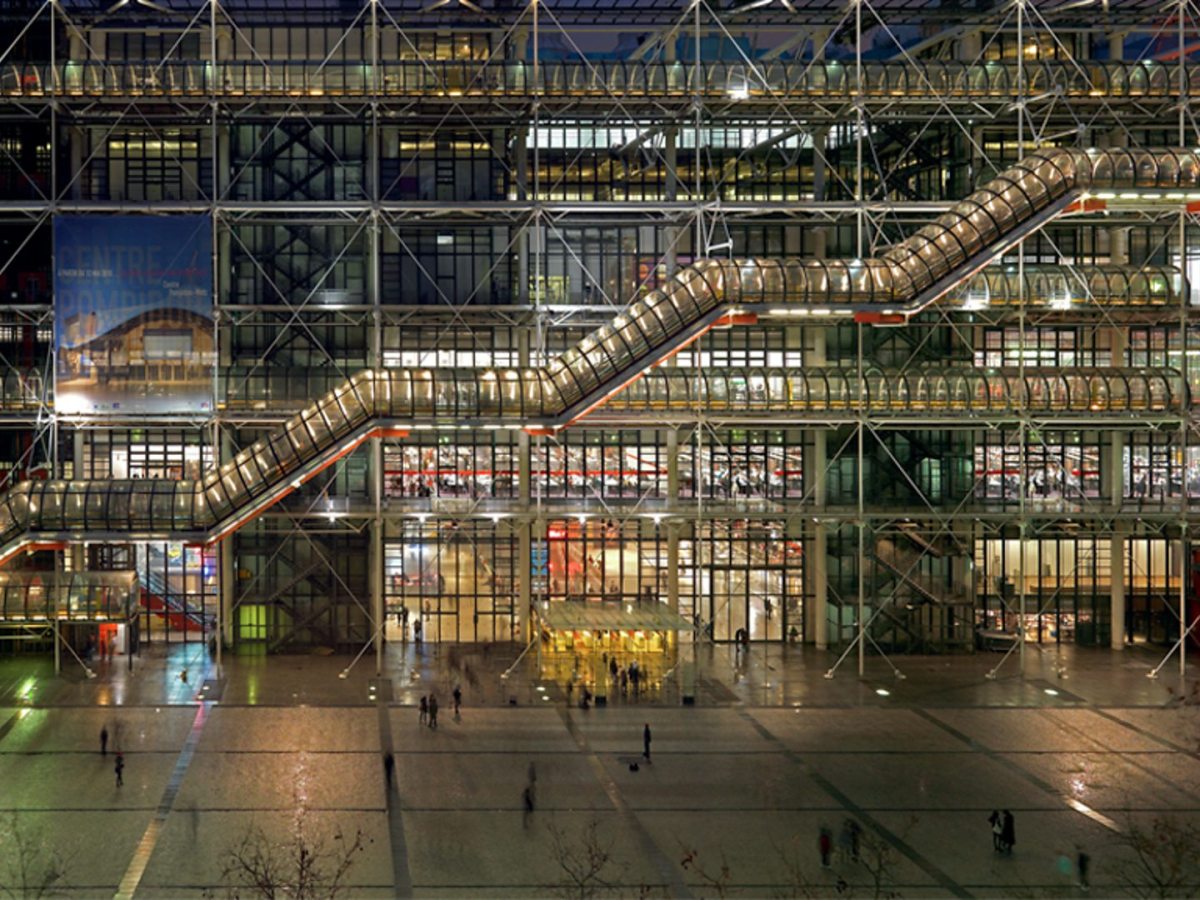
There was a paradigm change around the mid-20th century in urban design and planning, from the Modernist top-down planning manifesto to a concern with the human-scale urban experience. Urbanists such as Jane Jacobs advocated an observational approach to learning about how the city works (1961). This is a view shared by the Danish architect Jan…
Methodology: from static to dynamic experience
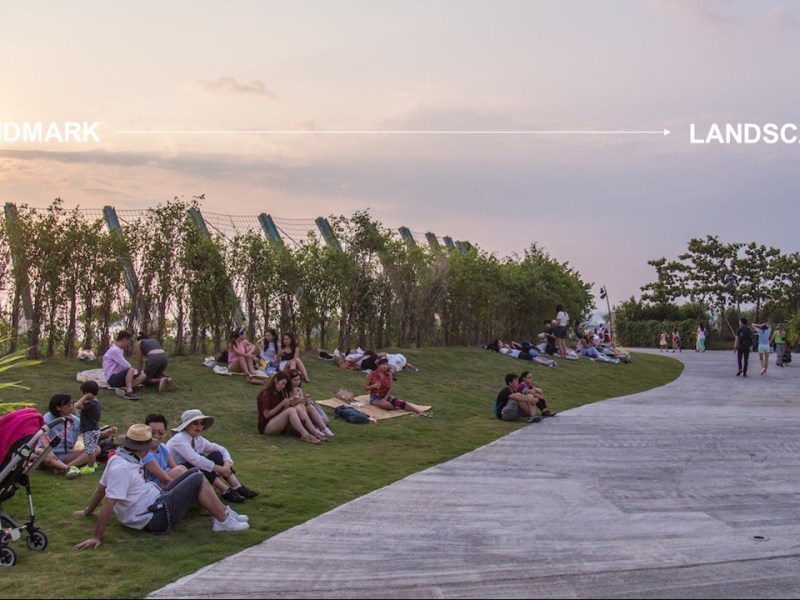
The proposed research consists of three stages in response to the project’s aims. Stage 1 is a spatial analysis of existing conditions, followed by a fieldwork stage to investigate public space user experience, and a final stage to analyze data collected and formulate recommendations. It will be conducted in qualitative methods, including architectural mapping and…
 threshold 內外之間
Leave a comment